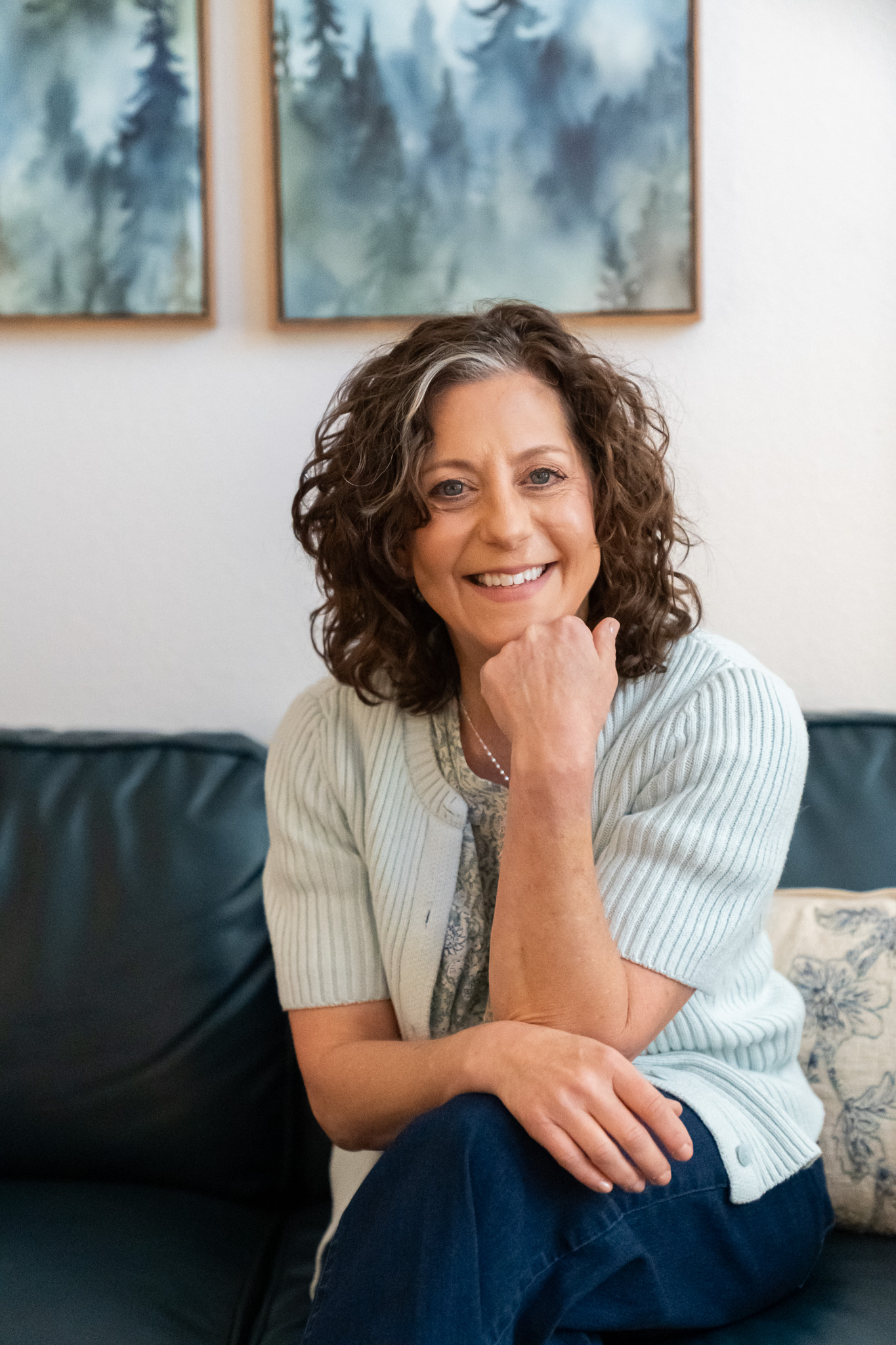
A Boulder couples therapist explains
Some couples reach a point where the same conversation keeps opening and never quite closes. A marriage intensive is one way to give that conversation the time it needs: consecutive days of focused couples work, rather than sessions spread across months. It isn’t the right format for everyone, and it isn’t a shortcut. Here’s what it is, how it works in my practice, and how we decide together whether it fits.
What is a marriage intensive?
A marriage intensive is couples therapy concentrated into consecutive days. Instead of meeting weekly or every other week, you and your partner work together for several hours a day, two or three days in a row, with a therapist whose full attention is on the two of you.
The work itself is the same kind of work that happens in ongoing couples therapy. What changes is the container: more continuous time, fewer interruptions, and no week of daily life between one conversation and the next.
How an intensive differs from ongoing couples therapy
Most couples I work with do this work in ongoing couples therapy. My sessions are two hours long, weekly or every other week, which leaves room to slow a hard moment down and finish what we start. Change builds steadily, alongside daily life, with time between sessions to practice.
An intensive suits a different situation. Some couples are caught in a cycle that needs sustained time to interrupt. Some are at a decision point and want to understand what’s possible before they decide. Some live far from Boulder, or have schedules that make regular sessions hard to protect.
Neither format is the better one. They suit different couples, and different moments.
Every couple begins with a Relationship Roadmap
Before an intensive, and before ongoing therapy, every couple I work with begins with a Relationship Roadmap. It’s one unhurried three-hour session with both of you, in person in Boulder or online if you live in Colorado. We look at how each of you is built, how you fit together, and what keeps driving the conflict or the distance between you. You leave with a one-page summary of what I see and what the work needs to be.
That’s also where we decide on format. I’ll recommend ongoing couples therapy or an intensive, and, if an intensive, whether two days or three. I recommend; you decide.
What happens during The Second Half Intensive
The Second Half Intensive is the marriage intensive I offer for couples in the second half of life. It takes place in person at my office in Boulder, over two or three consecutive days. Each day is four hours of focused work with a lunch break, and I see no other clients on those days. About a week after your final day, we meet for a two-hour follow-up session, in person or by video.
The work builds on your Roadmap and moves through four movements:
Reconnect. Restoring enough safety and presence that both of you can be heard.
Repair. Working with the patterns underneath the conflict: old injuries, recurring cycles, and the ways each of you protects yourself under stress.
Rebuild. Practicing new ways of functioning as a team, including under stress, with me in the room.
Reimagine. Turning toward the years ahead, and what you want them to hold.
Afterward, your Roadmap summary is updated to reflect the work we did. Many couples continue with ongoing sessions; couples who already have a couples therapist return to that work.
Two days or three?
Three days isn’t a better intensive. It’s the right one only when your Roadmap shows the work needs more room. The format is set before the intensive begins, so you know exactly what you’re committing to.
Who a marriage intensive is for
An intensive can be a good fit when:
- You’re caught in a pattern you can both describe, and neither of you can stop.
- Something keeps resurfacing, however often you address it.
- You’re at a real decision point and want to know what’s possible before you decide.
- A life transition, such as the last child leaving, a retirement, or a betrayal you’ve both chosen to repair, has changed who you are to each other.
- You can protect consecutive days and come to Boulder.
- You’re both willing to bring real time, honesty and care to the work, even if you’re not yet sure what you want the outcome to be.
When an intensive isn’t the right fit
An intensive isn’t the right format when there is active domestic violence or coercive control, substance use that would interfere with the work, acute psychiatric instability, active suicidality, or an affair that hasn’t been disclosed. If you’re afraid of your partner, or you find yourself managing your own safety, that needs a different kind of support first, and it’s worth getting.
It’s also not the right container if one of you is coming only to end the argument about coming, or if what you’re looking for is mediation or a negotiated agreement. When an intensive isn’t the right fit, I’ll tell you, and recommend care that is.
Is a marriage intensive a big investment?
Yes: of time, of honesty, and of money. Fees are discussed on our first call, before anything is scheduled, so you have the full picture before you decide anything. Many couples find it helpful to weigh that investment against what continuing as they are is costing them.
Why in person, in Boulder?
Some of what matters most in this work happens without words: a change in someone’s breathing, a softening in the face, the quiet after something true has been said. Being in the same room lets me see those moments and work with them as they happen.
Couples do travel to Boulder for an intensive. The first call is by video, the intensive days are in person here, and the follow-up can be either.
How to begin
Start with a free 30-minute call, by video, with both of you. We’ll talk about where things are, what you’re hoping for, and the right next step, with no pressure either way.
Free · 30 minutes · by video · both partners
Or read more about ongoing couples therapy, the Relationship Roadmap, or The Second Half Intensive.
Teena Evert, MA, LMFT, BCC, is a therapist offering marriage counseling and couples therapy in Boulder and online in Colorado, specializing in midlife couples. She has specialized in couples therapy since 2009.