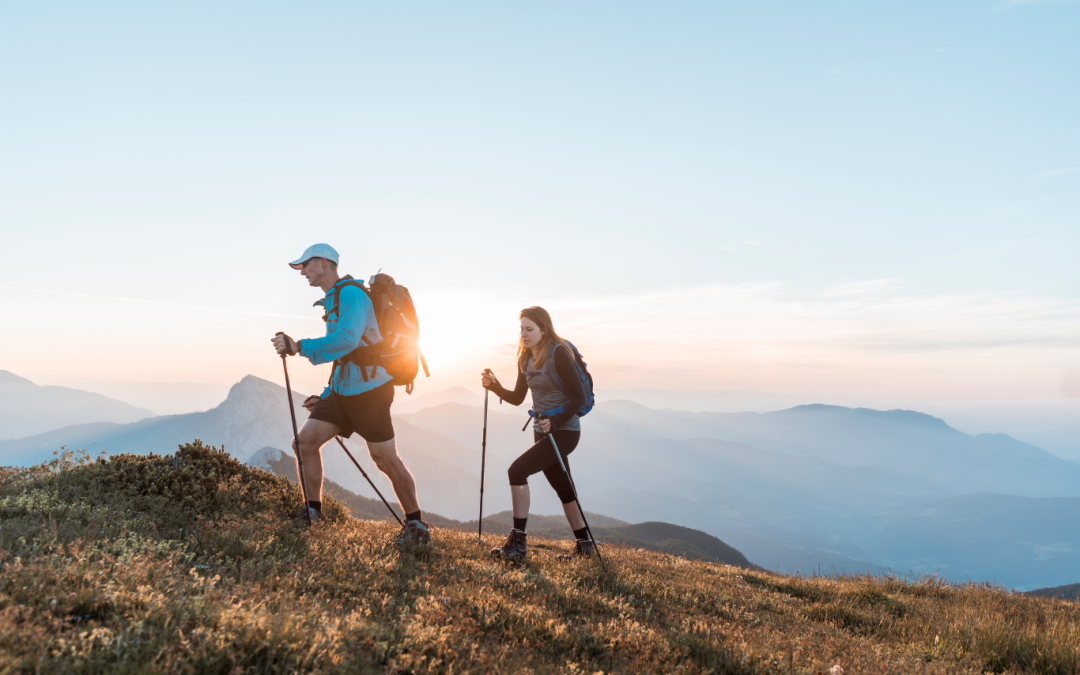
You spend weekends in the mountains. Your calendar is full of trail runs, climbing days, ski trips, and farmers market mornings. From the outside, your relationship looks vibrant and alive.
But when was the last time you had a conversation that went somewhere real?
This is a particular kind of disconnection that shows up in active, outdoorsy couples — the ones who are always doing things together but rarely being together in the quieter, more interior sense. Where the shared activity fills the space so completely that there’s no room left for the kind of connection that actually sustains a relationship over time.
Activity Is Not the Same as Intimacy
Adventure and shared experience are genuinely good for relationships. They create positive memories, a sense of team, and a break from the daily grind that can refresh both partners.
But they can also become a way of being together without actually being close.
When the outdoor activity is always the focus — when you’re side by side on a trail but not really tuned into each other — you’re sharing an experience without necessarily sharing yourselves. And for couples who are already stretched thin by demanding careers, parenting, and a packed social life, that distinction matters.
Activity keeps you parallel. Intimacy requires turning toward each other.
The Boulder Paradox
There’s something specific about life in Boulder that amplifies this dynamic.
The culture here celebrates doing. Being active, being healthy, being involved — these are markers of a life well-lived. And they genuinely are valuable. But they can also create a particular kind of busyness that feels meaningful because it’s healthy busyness — and that makes it harder to recognize when it’s become a substitute for something the relationship actually needs.
Couples in Boulder are often doing more together than almost any couples in the country. And still finding themselves feeling strangely distant. That’s not a contradiction — it’s a sign that the doing isn’t filling the need the relationship actually has.
What Gets Missed on the Trail
Eye contact. Real conversation. The kind of presence that isn’t split between the view, the pace, the next switchback, and what you’re making for dinner.
When two people are moving through a landscape side by side, their attention is largely outward. That’s part of what makes it restorative. But it also means that the interior world of each partner — what they’re carrying, what they’re feeling, what they need from the other person — often stays unvisited.
For couples who mostly connect through activity, this means significant parts of each person’s experience are never really shared. Not because they don’t want to share — but because the structure of how they spend time together doesn’t create space for it.
What to Do About It
This doesn’t mean giving up the outdoor life. It means being intentional about creating a different kind of time alongside it.
Conversations that happen face to face, without a destination or a pace. Evenings where the plan is just to be with each other rather than do something together. Questions that go beneath the surface — not how was your run? but how are you actually doing lately?
The mountains will always be there. The question is whether you’re building a relationship that’s as rich on the inside as your life looks on the outside.
Ready to see what’s possible for your relationship? Schedule a free 30-minute consultation and let’s talk about where you are and where you want to be.