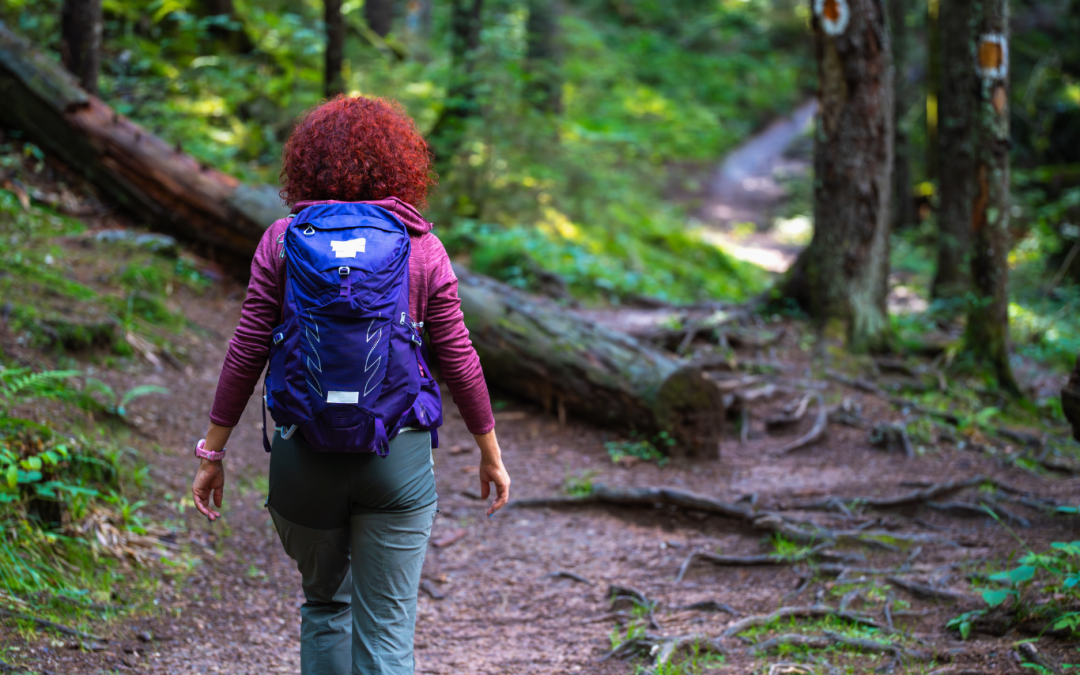
One of you heads outside to clear your head. A trail run, a solo hike, an hour in the garden — time alone in nature is how you come back to yourself.
The other one wants to do those things together. The mountains feel better shared. Solitude feels more like loneliness than restoration.
Neither of you is wrong. But this difference — quiet as it seems — can create real tension in a relationship if it goes unexamined.
Why Needs for Solitude Differ
How much time a person needs alone to feel regulated and replenished is deeply tied to their nervous system and attachment history.
People who lean toward the distancing end of the attachment spectrum — those who learned early that independence was safer than dependence — often genuinely need more solitude to feel like themselves. Time alone isn’t withdrawal. It’s how their nervous system recharges.
People who lean toward the clinging end — who grew up with connection as their primary source of safety — often experience solitude differently. Alone time can feel like absence rather than restoration. They come alive in proximity, in shared experience, in the felt sense of another person choosing to be with them.
When partners have significantly different needs in this area, both can end up feeling like the other is doing something wrong. One feels suffocated. The other feels abandoned. And because nature and solitude carry so much positive meaning in Boulder’s culture — they’re supposed to be good things — neither partner has an easy language for naming the tension.
When Solitude Becomes Distance
There’s a difference between healthy solitude and withdrawal — but the line can blur, especially in relationships where one partner uses outdoor time or alone time to avoid rather than restore.
Avoidant nervous systems are particularly prone to this. When things get tense in the relationship, the instinct is to get away — onto the trail, into the mountains, somewhere the emotional demands of partnership can’t reach. The time alone may genuinely help regulate the nervous system. But if the underlying relational tension never gets addressed, the pattern of retreat can slowly erode the connection.
The partner left behind often knows something is off but can’t quite name it. Their person came back calmer — but no closer.
When the Need for Togetherness Becomes Pressure
The reverse is also worth naming. When one partner’s need for shared experience is intense enough that the other never feels truly free to be alone — that pressure can create its own kind of distance.
A partner who can’t recharge without feeling guilty, or who feels monitored for needing space, will eventually pull away not just physically but emotionally. Their solitude becomes more heavily defended because it’s the only place they feel truly free.
Finding the Balance Together
This doesn’t require both partners to have identical needs — just a mutual understanding of what each person’s needs actually are and why.
That means conversations where both people can say honestly: this is how I work, this is what I need, this is what it means when I want space or when I want you with me. Without blame and without either person’s needs being treated as the problem.
When couples find that balance — honoring both the need for solitude and the need for togetherness — the time they do spend together becomes richer. Because both people are choosing it freely, not navigating around resentment.
Ready to see what’s possible for your relationship? Schedule a free 30-minute consultation and let’s talk about where you are and where you want to be.